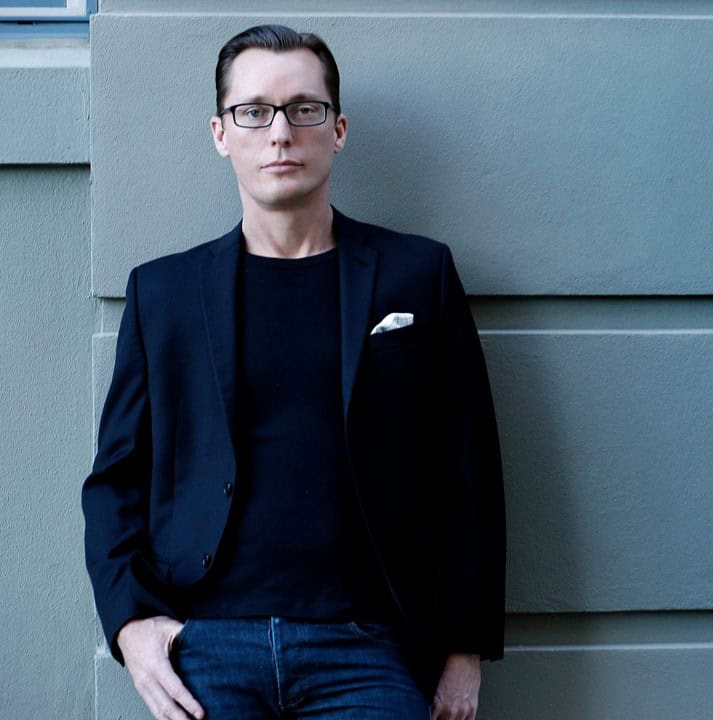
Chris Rhyss Edwards
Author & CEO FOLQ.ai · PhD Researcher, Conversational AI
- Brisbane, Australia · GMT+10
- chrisrhyss.co
- 15,000+ audience
“Chris Rhyss Edwards is a writer, doctoral researcher, and former soldier exploring what happens when people have no one left to talk to. A military veteran living with PTSD, he studies the growing role of AI chatbots in mental wellbeing and emotional support.”
PhD
Researcher, Conv. AI
15K+
Audience Reach
2025
Book Published
Army
Combat Veteran
“Chris Rhyss Edwards is a writer, doctoral researcher, and former soldier exploring what happens when people have no one left to talk to. A military veteran living with PTSD, he studies the growing role of AI chatbots in mental wellbeing and emotional support. His work blends lived experience, research, and cultural critique to ask difficult questions about silence, connection, and the future of care.”
Chris Rhyss Edwards didn’t set out to study why people are talking to machines about their deepest fears. He arrived there the long way around — through military service, trauma, silence, and years of watching capable people quietly fall apart because the cost of speaking felt higher than the cost of suffering. As a former Australian Army combat engineer and peacekeeping veteran living with PTSD, he knows firsthand how hard it can be to talk, especially when you’re trained to stay composed, useful, and strong. That tension between outward competence and inner distress sits at the heart of The Silence Paradox.
Today, as a PhD researcher in conversational AI and mental wellbeing, Chris studies a phenomenon that is both confronting and deeply human: hundreds of millions of people are confiding in AI chatbots about their mental health, loneliness, anxiety, and despair — often before they ever speak to another person. This isn’t because machines are better than humans, but because they are available, non-judgmental, affordable, and emotionally low-risk. In a world where stigma, cost, access, and fear still block most people from professional support, AI has quietly become a first listener. His research explores what this means ethically, psychologically, and socially.
People should listen because this isn’t a tech story — it’s a human one. The Silence Paradox isn’t about replacing therapists or celebrating machines; it’s about asking why so many people feel safer talking to an algorithm than to each other, and what that reveals about the systems we’ve built. Chris speaks from lived experience, academic research, and the uncomfortable middle ground between optimism and alarm. If we don’t talk honestly about why silence is spreading and why AI is filling the gap, we risk missing the deeper crisis entirely.
When I hiked the entire Camino de Santiago last year, I spent a night sleeping in a construction dumpster because all the hostels were full. True story.
- Millions aren't turning to AI because they prefer machines — they're doing so because speaking to other humans has become too costly, risky, or inaccessible.
- AI is not good or bad — it's a mirror. What matters is what it reflects back about the barriers of stigma, access, cost, and fear that prevent people from speaking openly.
- We can design AI that supports people without replacing human connection — but only if we're honest about why silence has become the default.
Why do you think so many people feel safer talking to AI chatbots about their mental health than talking to other people?
As both a veteran living with PTSD and a PhD researcher, how does your lived experience shape the way you view AI's role in mental wellbeing?
What are the real risks when AI becomes a 'first listener' for people in distress, and what risks do we ignore if we simply reject these technologies outright?
Is the rise of AI companions a sign of technological progress, or a warning signal about the breakdown of our social and care systems?
If you could change one thing about how we talk about mental health, silence, or support today, what would it be and where does technology fit into that change?
- What your audience will gain from this episode:
- Listeners will leave with a clearer understanding of why so many people are turning to AI for emotional support and what that trend reveals about our current mental health landscape — framing AI not as cure or threat, but as a mirror.
- Gain practical insight into how to engage with AI tools safely and intentionally — when AI can be a helpful first step for reflection, where its limits are, and why it should supplement, not replace, human support.
- Walk away with permission to speak sooner, not stronger. The conversation aims to reduce shame around silence, normalize help-seeking, and remind people that needing a low-risk place to start doesn't make you weak — it makes you human.

The Silence Paradox: The Quiet Revolution of AI, Emotion and Human Connection
Paperback published December 24, 2025. Explores why hundreds of millions of people confide in AI chatbots before ever speaking to another human — and what this reveals about the crisis of silence in modern life.
FOLQ.ai
Chris's company exploring conversational AI, emotional support, and the future of human-machine connection.
- TEDxQUT — 'The Uncomfortable Truth Between Right & Wrong'
- Zurich Innovation World Championship — Bronze Medal Winner 2019
- Named Global Entrepreneur of the Year at The Pitch at the Palace 2019
- Finalist, Prime Minister's Veteran Entrepreneur of the Year Awards 2019
- PhD Researcher in Conversational AI & Mental Wellbeing
- Former Australian Army Combat Engineer & Peacekeeping Veteran
Chris has spoken at iMedia and ad:tech events across APAC, US, and UK — as well as delivering a TEDxQUT talk on ethics and moral complexity. His blend of personal story, academic research, and accessible insight makes him a compelling and memorable speaker on AI, mental health, and human connection.
Contact us to connect with Chris for your show. Our service is always free for podcast hosts.
We never charge podcast hosts.
Book / Brand
The Silence Paradox
Role
Author & CEO FOLQ.ai · PhD Researcher
Location
Brisbane, Australia · GMT+10
Availability
Anytime (barely sleeps)
Reach
15,000+
Website
chrisrhyss.co
Paperback — December 24, 2025. The story of why millions are confiding in AI before speaking to another human.
Ready to Book Chris for Your Show?
Our service is completely free for podcast hosts. We handle the introduction and make sure Chris is briefed and prepared for your audience.